When we hear "AI," we usually picture chatbots, robots, or self-driving cars. But AI 반도체(AI CHP, Semiconductor) is the real engine, because without the right chips, AI is just expensive software waiting on slow hardware.
For Korean stock beginners, this topic can feel like a wall of jargon. GPUs, HBM, foundry, packaging, and yield all show up at once. In this post, we'll keep it simple and practical: what AI semiconductors are, why Korea matters in 2026, and how we can build a repeatable routine to track the theme without getting shaken out by headlines.
https://www.youtube.com/watch?v=m-zw8X6A0gA
What AI semiconductors really are (and why "faster" isn't the whole story)
AI chips aren't one thing. They're a chain. If one link fails, performance drops, costs rise, and delivery slips. Think of AI hardware like a sports car: the engine matters, but tires, brakes, and fuel supply decide whether it wins.
At a high level, AI workloads need two kinds of muscle:
- Compute (processing): training and running models needs massive parallel math.
- Memory (feeding data): the chip must pull data fast, or the compute units sit idle.
That's why AI semiconductor talk often turns into memory talk. In real markets, "AI demand" can show up as a surge in high-end memory orders before anything else moves.
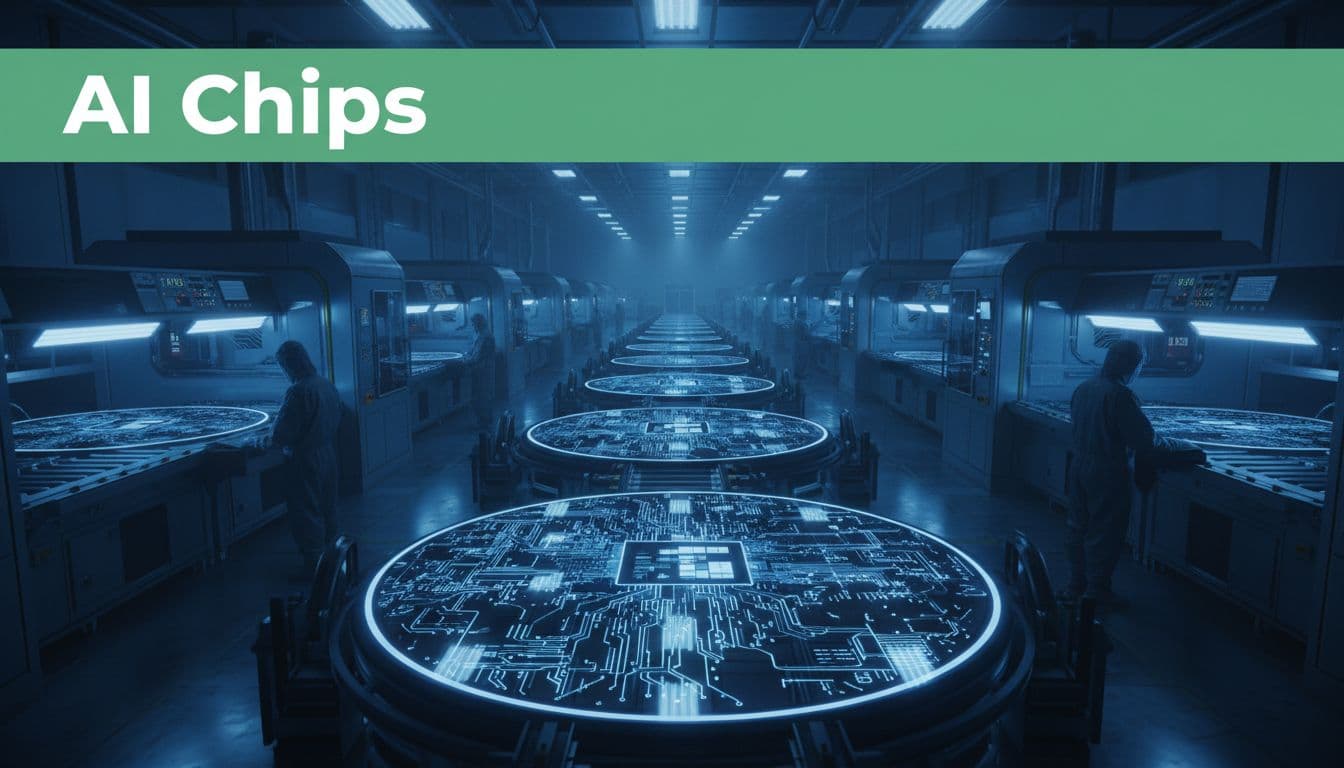
In South Korea, the global story is especially tied to memory leadership and manufacturing scale. As of early 2026, we're also seeing policy support accelerate. Korea announced major public funding for advanced technologies, including semiconductors and AI, with 8.6 trillion won earmarked for 2026 across many tech areas. That matters because AI chips are capital-hungry. Tooling, cleanrooms, and R&D burn cash long before revenue arrives.
One more point: AI chips aren't only about data centers. Korea also launched a multi-year plan (announced in February 2026) to develop multiple AI chips for areas like robots, smart homes, and autonomous driving, with a total program scale of 1 trillion won over five years (government and major companies participating). The big idea is simple: reduce reliance on imported chips in key industries.
If we remember just one thing: AI 반도체 is a supply chain bet, not a single product bet.
For context on how demand is already showing up in reported results, it helps to read coverage like Reuters' report on AI-driven memory demand and earnings momentum in Korea: SK hynix profit beats forecasts on AI memory demand.
Why Korea is central in 2026: memory, manufacturing, and "factory AI"
We don't need to predict the next model architecture to understand Korea's edge. Korea's strength sits in the boring parts that decide whether AI infrastructure ships on time.
First, HBM (High Bandwidth Memory) has become a bottleneck for AI servers. When AI data centers expand, they don't just buy more GPUs. They also need more advanced memory attached to those accelerators. That's why memory pricing and supply news can move the entire Korean market.
Second, manufacturing execution matters more than hype. A chip design on paper is not a chip in a server rack. Production issues, yield swings, and equipment constraints can flip profits quickly.
Here's the underappreciated twist: AI is also improving how chips are made. In early 2026, Samsung highlighted work with NVIDIA to create digital twins of semiconductor factories. These virtual factory models aim to spot problems earlier and reduce waste. For investors, this is not a feel-good tech story. Better process control can mean fewer delays and stronger margins when demand surges.
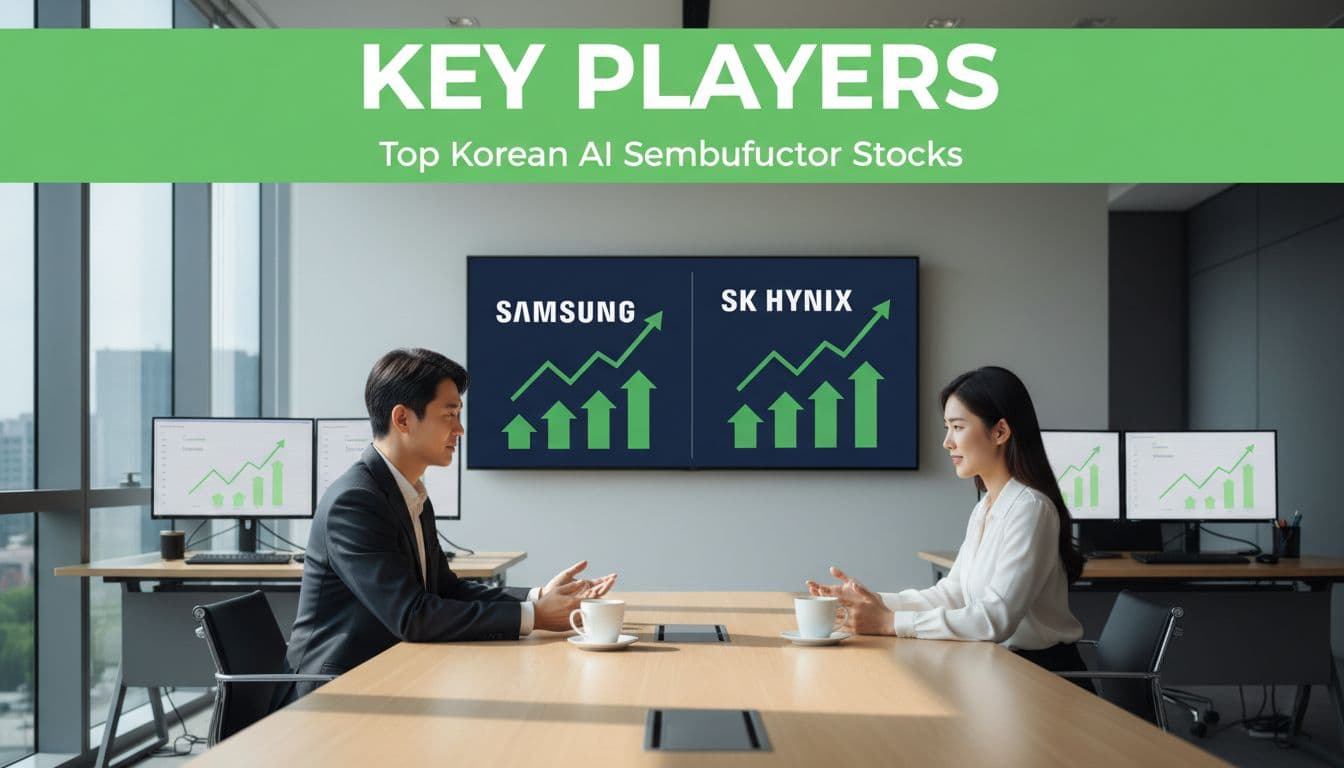
Third, policy is turning chips into national infrastructure. Korea passed a Semiconductor Special Act in 2026 to support chip clusters and reduce friction for investment. Even if some funding is delayed, the direction is clear: keep capacity and talent inside the country, and protect strategic supply.
For a snapshot of how global banks are framing the cycle, we can compare our own notes with reporting like: Goldman Sachs raises Samsung and SK hynix targets on memory boom. We don't need to follow targets, but we should track the "why" behind them (memory prices, earnings revisions, and AI capex).
A simple routine for tracking AI 반도체 stocks (without getting lost in buzzwords)
We can follow AI semiconductors with a routine, not emotions. The goal is to answer one question: "Is AI demand turning into shipments and profit, or is it still just talk?"
Step 1: Split the theme into buckets we can actually monitor
When we look at Korea, we can group AI semiconductor exposure like this:
- Memory leaders (benefit when HBM tightens)
- Compute and foundry ecosystem (benefit when advanced nodes and packaging scale)
- Equipment and materials (benefit when fabs expand and upgrade)
This keeps us from buying "AI" names that don't have a clear path to earnings.
Step 2: Watch three signals that show up before the chart does
We keep it boring on purpose:
- Earnings commentary: Do they say "demand" or do they say "contracts and shipments"?
- Capacity plans: Are they adding lines, tools, or packaging capability?
- Pricing and tightness: Memory pricing and lead times often tell the truth early.
A good habit is to write one sentence after each quarterly update: "What changed since last quarter?" If nothing changed, we don't force a trade.
Step 3: Use a "headline filter" to avoid chasing spikes
AI 반도체 headlines come fast. Many are recycled. Before we react, we ask:
- Is this about real orders or policy talk?
- Does it change supply, pricing, or margins in the next 6 to 12 months?
- Does management confirm it, or is it third-party speculation?
If we can't answer those, we treat it as noise.
For a market-flavored example of how AI memory demand has been linked to broader index moves, see: AI memory boom narrative in Korea markets. We don't need the bullish tone, but the framing helps us understand what other investors are watching.
Korean AI semiconductor stock tickers (Yahoo Finance format)
If we want a starting watchlist, these are commonly discussed names tied to AI semiconductor cycles:
- Samsung Electronics (005930.KS)
- SK hynix (000660.KS)
We can expand later into packaging, equipment, and materials, but we should start with businesses that clearly map to AI infrastructure demand.
Our edge as beginners is consistency. A simple routine beats a "genius" guess.
Conclusion
AI 반도체 investing gets easier once we treat it like a chain: compute needs memory, memory needs manufacturing, and manufacturing needs policy and execution. In March 2026, Korea sits at the center of that chain, with strong momentum in memory and serious national support for chips. If we stick to signals we can track (shipments, pricing, margins), we won't get pushed around by daily headlines.
https://www.seoulstockalpha.com/
Related: SK Hynix HBM Market Leadership: Why AI Memory Keeps Putting 000660.KS in the Spotlight, Samsung Electronics (005930.KS) Rebound Analysis: What We Watch Next, NAVER Stock (035420.KS) and the End of AI "Issue Timeline": What It Means for News, Trust, and Investors (March 2026).
Originally published on SeoulStockAlpha.