Robots used to feel like a sci-fi promise. Now they're more like electricity: quietly showing up everywhere. They weld car frames, move boxes, and inspect chips. As this spreads, Korean robot stocks sit in a useful place, because Korea already builds the hardware world runs on.
We're not buying "the idea of robots." We're buying the companies that make robot arms, motion parts, and full systems, plus the market structure that can push these names fast when money flows in.
https://www.youtube.com/watch?v=b1x-pkoXnnk
Korea's robotics edge in 2026: factories, labor pressure, and fast adoption
Korea doesn't need to invent "why robots." It already lives the problem. Manufacturers face tight labor markets, rising wages, and constant pressure to ship more with fewer errors. As a result, automation spending doesn't depend on one trendy product cycle. It's tied to survival, like replacing worn tires before a long trip.
Korea also has a stacked supply chain. When a country leads in autos, electronics, and batteries, it naturally builds the parts that robots need: precision gears, sensors, actuators, and control boards. That matters because many robotics "winners" won't be the brands on the robot's chest. They'll be the firms selling the motion and control guts inside the machine.
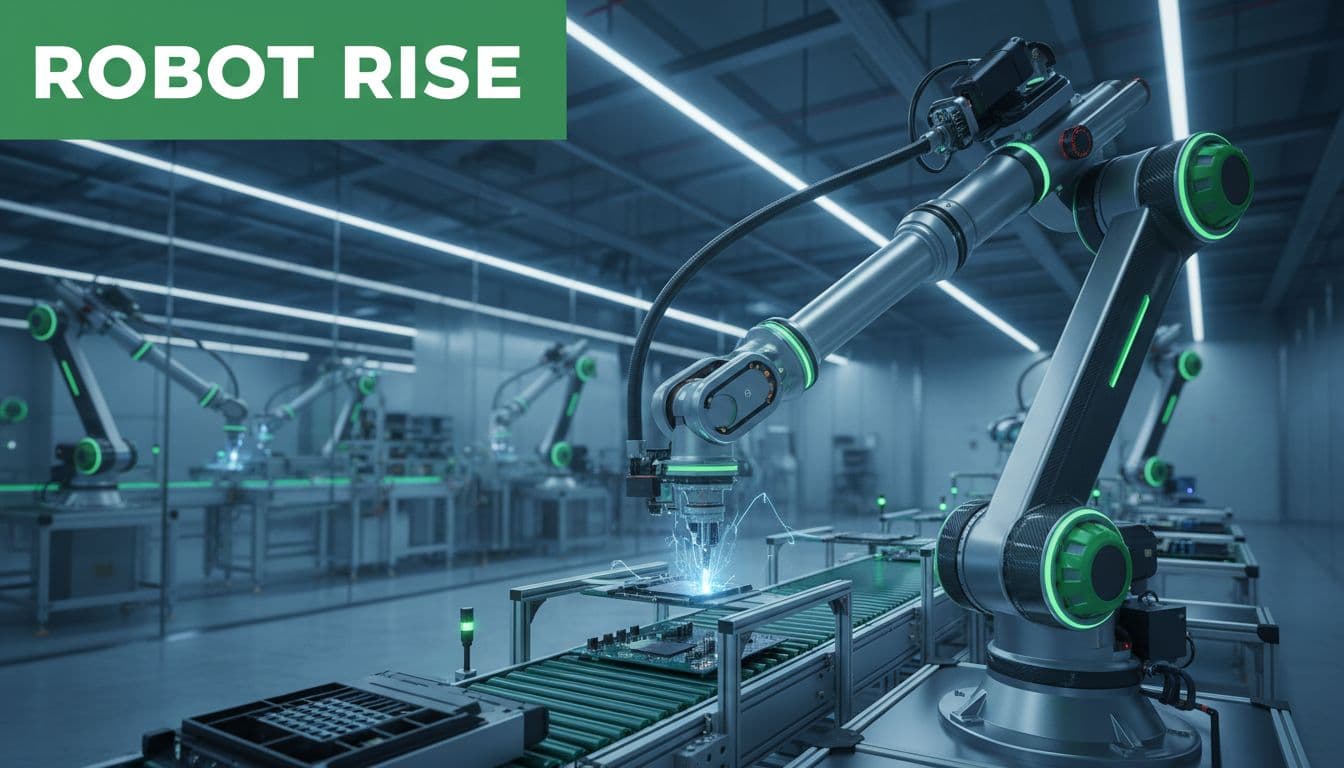
Another tailwind is demographics. Korea's aging trend makes automation less optional each year. Meanwhile, large industrial groups can fund long projects and place internal orders. That "first customer" effect helps early products cross the scary gap between prototype and real factory use.
For a wider view of what's been driving interest in Korea across sectors (including robotics themes), we can compare notes with outside commentary like Korean stock picks from early 2026. We don't need to agree with every pick to learn what global investors are watching.
Our core idea: Korea isn't just adopting robots, it's positioned to supply them.
Korean robot stocks we can actually buy (with Yahoo Finance tickers)
Before we talk charts, we need a simple map. Korean robotics exposure usually falls into three buckets: robot makers (the "brand"), component suppliers (the "picks and shovels"), and integrators (the "install and maintain" layer). New investors often overpay for the story and ignore the plumbing. We prefer to see both.
Here are a few commonly watched names (Yahoo Finance format in parentheses):
| Company | Ticker | What they're tied to | Why it matters to us |
|---|---|---|---|
| ROBOTIS | (108490.KQ) | Actuators, robot platforms, components | "Arms dealer" model can scale across many robot brands |
| Rainbow Robotics | (277810.KQ) | Robot systems and platforms | High expectations, strong momentum when sentiment turns hot |
| Doosan Robotics | (454910.KS) | Collaborative robots (cobots) | Clear product category, easier to explain demand cycle |
| Hyundai Motor | (005380.KS) | Broader robotics push and automation | Less pure-play, but can benefit from robot investment cycles |
| Hyundai Movex | (319400.KS) | Factory automation and logistics systems | Integrator angle, tied to real capex and warehouse upgrades |
The takeaway: we don't have to bet only on "humanoid robots." In practice, factories buy what works now, like cobots, logistics automation, and reliable motion parts.
If we want a quick fundamentals snapshot as a starting point (not a final decision), we can use pages like ROBOTIS company analysis to organize basics (growth, balance sheet, and valuation signals) before we open a chart.
What's moving Korean robot stocks in March 2026 (and why it can get volatile)
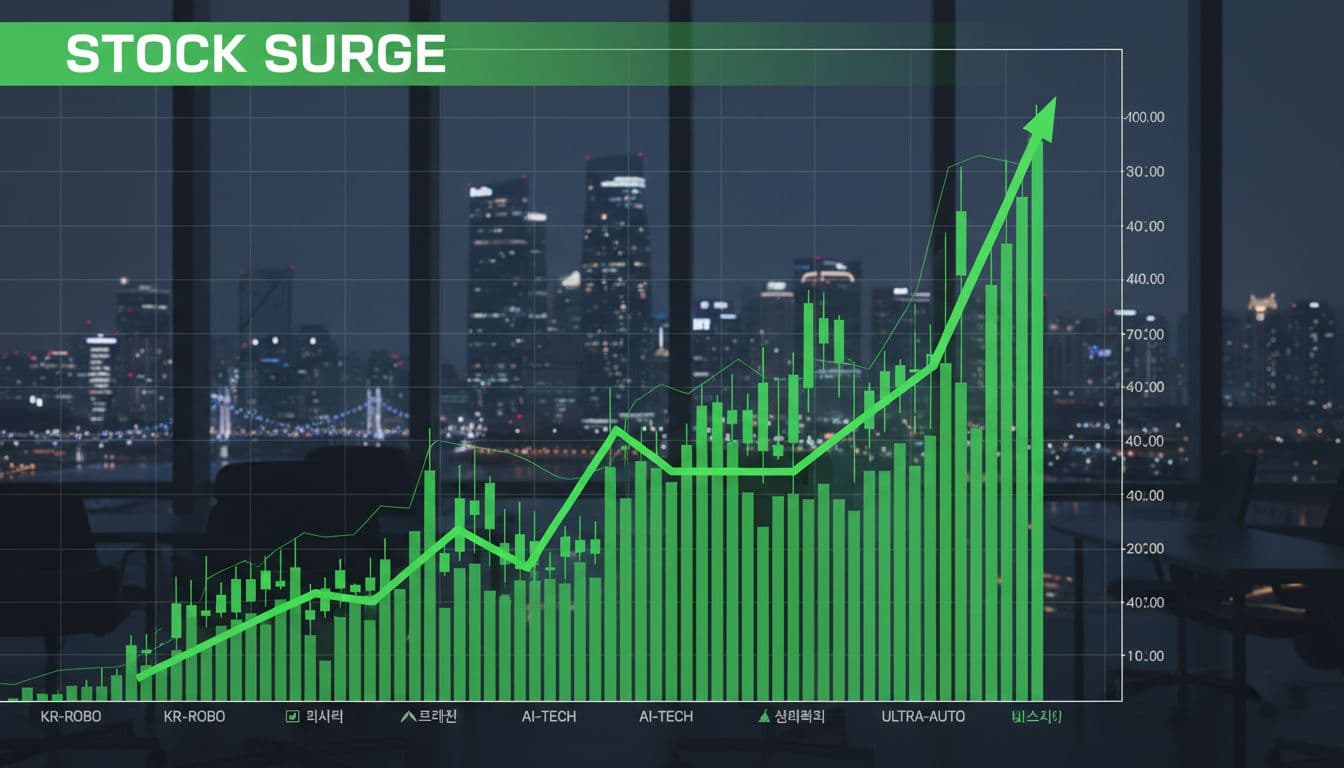
In March 2026, price action reminded us of a simple truth: small-to-mid KOSDAQ names can move like speedboats. That's good when we're positioned early, and painful when we're chasing.
Based on current market reporting in March 2026, several robot names spiked around March 10 on ETF inclusion and flow dynamics, plus earnings hopes and broad robotics excitement. For example:
- ROBOTIS traded around 261,500 KRW on March 10, up about 12% on the day, after a late-February peak near 364,000 KRW.
- Rainbow Robotics traded around 779,000 KRW on March 10, up about 5% on the day, after a powerful early-March run and a large late-February pop.
- SPG and Hyundai Movex also showed notable single-day gains on the same flow-driven news window.
- Hyundai Motor ran hard into late February on robotics optimism, then pulled back.
That pattern matters because ETF changes can create forced buying. When a stock enters a product, managers must buy it, even if the price jumps first. In the short run, that can overpower "fair value." In the medium run, the market still demands real revenue and margin progress.
So we treat these flow spikes like wind gusts on a sailboat. They can push us forward, but we still need a hull that floats. For investors who want another organized snapshot of one of the high-profile names, Rainbow Robotics fundamentals and growth signals can help us sanity-check expectations against business reality.
Our routine for buying Korean robot stocks (without getting trapped at the top)
We can love the theme and still lose money if we buy emotionally. So we use a repeatable routine. It's not fancy, but it keeps us honest.
First, we separate "trend" from "pop." A one-day spike often fades. A multi-week uptrend leaves footprints: higher lows, constructive pullbacks, and volume that expands on up-days.
Next, we look for a "cool-down" entry instead of a headline entry. In March 2026, both ROBOTIS and Rainbow Robotics showed the classic pattern: sharp surge, then air pockets. When a stock has already run hard, we'd rather wait for one of these conditions:
- A pullback toward a prior breakout area (old resistance acting as support).
- A tight sideways range after the surge (volatility compression).
- A second push higher that holds above the prior peak area intraday (strength without a blow-off).
Then we keep risk small. KOSDAQ robotics names can gap. Because of that, we size positions so a fast 10% to 20% move against us won't wreck the account. We also avoid "all-in" entries. Two smaller buys beat one perfect buy we'll never find.
Finally, we match the stock type to our patience.
- Component-style businesses can compound if they win design slots across many customers.
- Platform and system names can move more on sentiment, which means we must respect technical levels.

Two extra risks belong in the routine, not in fine print. Liquidity can dry up fast, and Korea headlines can hit overnight for US-based traders. Also, KRW-USD currency moves can change our results even if the stock "works."
If we want a calmer way to learn the sector, we can study a more established listing like Doosan Robotics stock details and compare how the market prices a cobot story versus a KOSDAQ momentum name.
Conclusion: robots are coming, but our edge is discipline
Korean robotics is attractive because it sits close to real factories and real budgets. In March 2026, the market also proved these names can move quickly on ETF flows and sentiment. That's why we pair the theme with a simple routine: wait for constructive setups, manage position size, and treat hype days as a risk signal.
If we're building a beginner portfolio, we can start small, track a watchlist, and only add when price action supports the story. Above all, we don't chase.
https://www.seoulstockalpha.com/
Related: Taihan Fiberoptics Co Ltd (010170.KQ): What It Makes, Why It Swings, What to Watch (March 2026), AI CHP, AI Semiconductor : Korean Stock Newbies' Guide to the Chips Behind the Boom (March 2026), NAVER Stock (035420.KS) and the End of AI "Issue Timeline": What It Means for News, Trust, and Investors (March 2026).
Originally published on SeoulStockAlpha.