SK Oceanplant builds ships, offshore wind foundations, and steel pipes. It's listed in Korea as 100090, and you'll usually see it as 100090.KS on Yahoo Finance and TradingView (the ".KS" tag means it trades on KOSPI)
Our verdict up front: NEUTRAL. Demand looks strong, and earnings can ramp fast when factories run hotter. However, expectations also look high, with a reported P/E near 68.3x, and project businesses can surprise you the wrong way when schedules slip.
As of March 10, 2026, the reference price is ₩18,700 (about $12.89). We'll show both KRW and USD so global readers can stay oriented.
If you're new to Korean stocks, here's the key context: Korea's defense ship orders and the offshore wind buildout can move earnings quickly. At the same time, results can be lumpy because big projects often book revenue in chunks at milestone dates. In this guide, we'll walk through SK Oceanplant's business model, growth drivers, a simple financial picture, Korea-style technicals, major risks, and a practical plan for entries, exits, and basic hedges.
https://www.youtube.com/watch?v=dJBeOSvWrQU
What SK Oceanplant actually does, and where it fits in the value chain
SK Oceanplant sits in the "heavy metal" part of the ocean economy. Think of it as a builder of large steel structures that are hard to outsource last minute. Its work tends to be physical, schedule-driven, and quality-sensitive.
In plain language, we can bucket the business into three main areas:
- Shipbuilding and marine work: It builds and assembles ships and marine structures, with meaningful exposure to government and defense-related vessels.
- Offshore wind: It manufactures the giant substructures that hold wind turbines in place at sea.
- Steel pipe: It produces thick steel pipes used for structural and industrial purposes.
The offshore wind value chain is a helpful mental map, because it explains why the "boring" middle of the chain can still be profitable. A typical wind farm involves (1) developers that plan and finance the project, (2) turbine makers that supply the turbines, and (3) marine constructors and fabricators that supply foundations and install equipment. SK Oceanplant operates in that third bucket, making the substructures that sit under turbines.
Those substructures are heavy and expensive to move. That matters because offshore wind projects often push for local sourcing to reduce shipping risk, shorten schedules, and satisfy local-content rules. In other words, a capable regional fabricator can have more pricing power than you'd expect, especially during a build cycle.
Shipbuilding works differently. SK Oceanplant is not one of Korea's mega-yards that dominate global merchant shipbuilding. Instead, it tends to focus on specialized and defense-adjacent vessels. That niche can be "stickier" since government buyers care about track record, testing, and standards, not just price.
For quick background on the company's segment descriptions and how it's classified in market databases, we often start with the MarketScreener company profile.
One last point: mix matters. Offshore wind can swing year to year based on a few deliveries. Defense ships can smooth demand but still have long build schedules. Steel pipe can help fill capacity, but margins may differ. Because of that, one big contract can change an entire year's earnings story.
Offshore wind substructures, the growth engine with chunky revenue timing
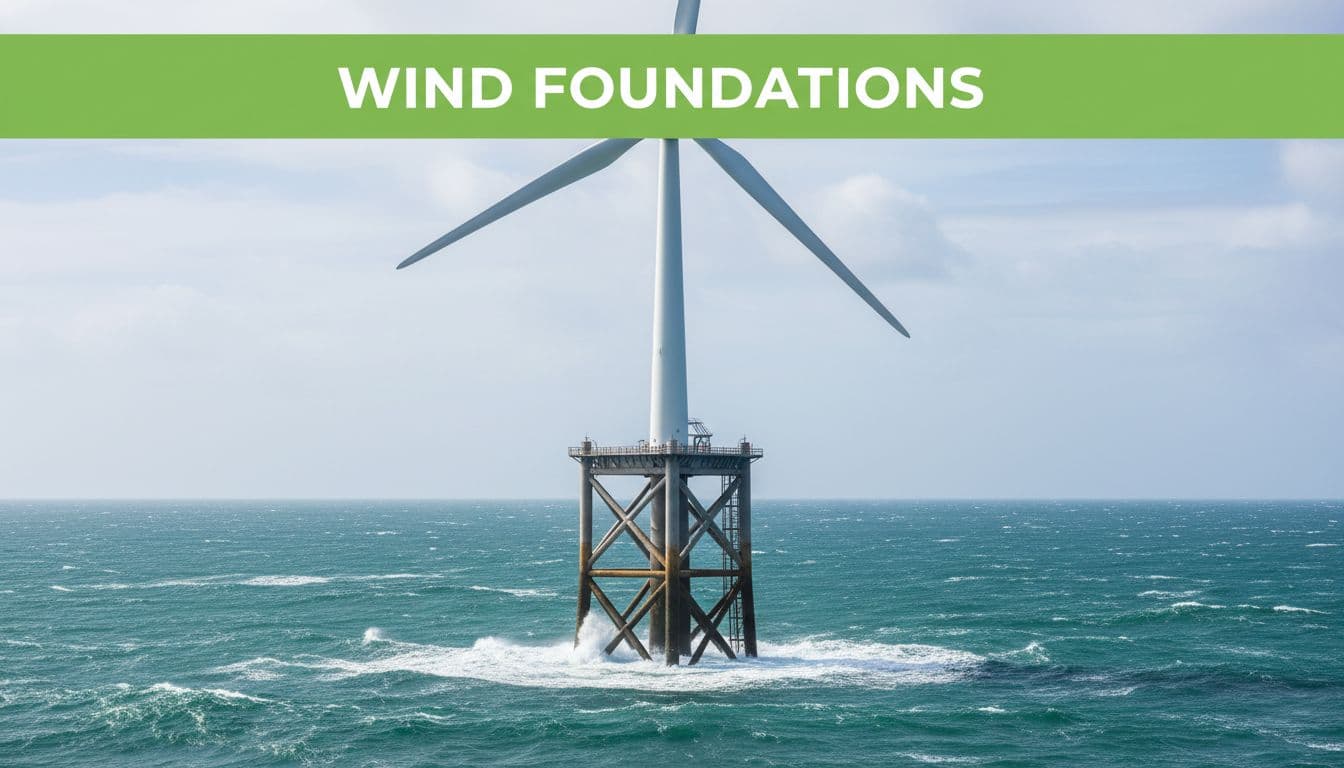
Offshore wind "substructures" are the steel foundations that anchor turbines to the seabed. You'll hear terms like monopiles and jackets. We don't need the engineering details to invest, but we do need the business logic: these are large, welded structures, built to strict specs, and delivered on project schedules.
The big investing hook is capacity and timing. Based on the provided data, SK Oceanplant has about 1.5 GW per year of supply capacity for offshore wind substructures. That's meaningful because Taiwan's offshore wind buildout is expected to remain active, with a 9 GW plan from 2026 to 2031. When regional demand rises, qualified suppliers can stay booked.
Still, revenue doesn't arrive like a monthly subscription. A project can take months of work, then revenue hits when milestones are met. If that sounds confusing, think of it like building a house: you don't "book" the full value on day one, even if you're working every day. You invoice and recognize progress at agreed checkpoints.
We saw an example of this "chunky timing" in the provided context: the Fengmiao project's revenue recognition helped drive a sharp jump in offshore wind revenue in Q1 2025. That's why offshore wind stocks can look quiet, then suddenly print big quarters.
When we want to cross-check how the company positions its offshore wind business, we compare investor materials with the official SK Oceanplant site, especially around capacity, facilities, and project references.
Defense and specialty ships, steady demand but long delivery cycles
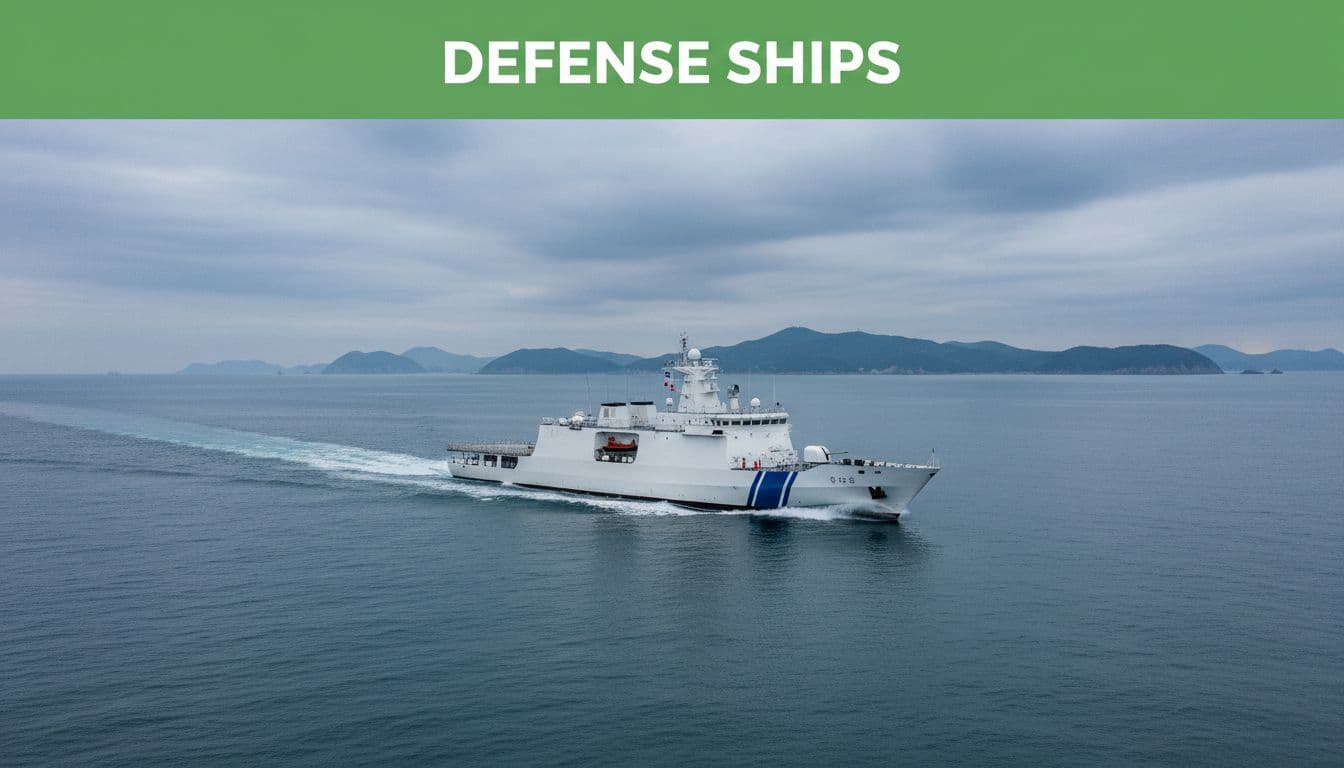
Defense work isn't always flashy in quarterly charts, but it can build a durable base. In SK Oceanplant's case, the provided facts are concrete: it has delivered 23 ships to the Korea Coast Guard, it's building three Ulsan-class frigates scheduled for delivery in 2026 and 2027, and it secured defense company status in 2017.
Why does that matter for newbies? Because defense customers tend to be repeat buyers
Related: NAVER Stock (035420.KS) and the End of AI "Issue Timeline": What It Means for News, Trust, and Investors (March 2026), Hana Financial (086790.KS) Stock Outlook for March 2026: Valuation, Dividend, and Key Price Levels, LIG Nex1 (079550.KS) Stock Snapshot for Beginners: Theme, Technicals, and Risks (March 2026).
Originally published on SeoulStockAlpha.