When a Korean defense stock runs hot, it can feel like a rocket with a thin seatbelt. LIG Nex1 is one of those names that can move fast, with strong narratives and sharp pullbacks.
In this post, we'll keep things beginner-friendly. We'll cover what the company does, why the "K-defense" theme matters, where the chart levels sit, and what risks can surprise new investors.
We'll use the global ticker format LIG Nex1 (079550.KS). The ".KS" suffix is used by Yahoo Finance and TradingView to indicate a KOSPI-listed stock (KOSDAQ names typically use ".KQ").

Executive Summary: Our Rating on LIG Nex1 (079550.KS)
Rating: NEUTRAL. We like the business theme and demand backdrop, but we respect the valuation and headline risk that can shake the price.
As of mid-March 2026, LIG Nex1 trades around ₩723,000 per share, which is about $520 using an approximate ₩1,390 per $1 exchange rate. Prices can vary by source and time, so we treat this as a ballpark, not a quote.
Here's a quick, newbie-friendly snapshot based on the latest available figures:
| Item | What it means | Recent read (approx.) |
|---|---|---|
| Share price | What the market pays today | ₩723,000 (about $520) |
| Market cap | Company size on the market | ₩11.0 trillion range |
| Revenue | Sales power | ₩3.3 to ₩3.8 trillion range |
| Net income | Bottom-line profit | ₩221 to ₩305 billion range |
| Dividend | Cash paid to shareholders | ₩2,400 (low yield) |
| P/E | Valuation multiple | Roughly mid-30s to 40s |
We can track live pricing, headlines, and basic metrics on the official market page at Yahoo Finance's 079550.KS quote. For beginners, that page is often the simplest "single screen" view.
What LIG Nex1 Actually Sells: Defense Electronics and Guided Weapons
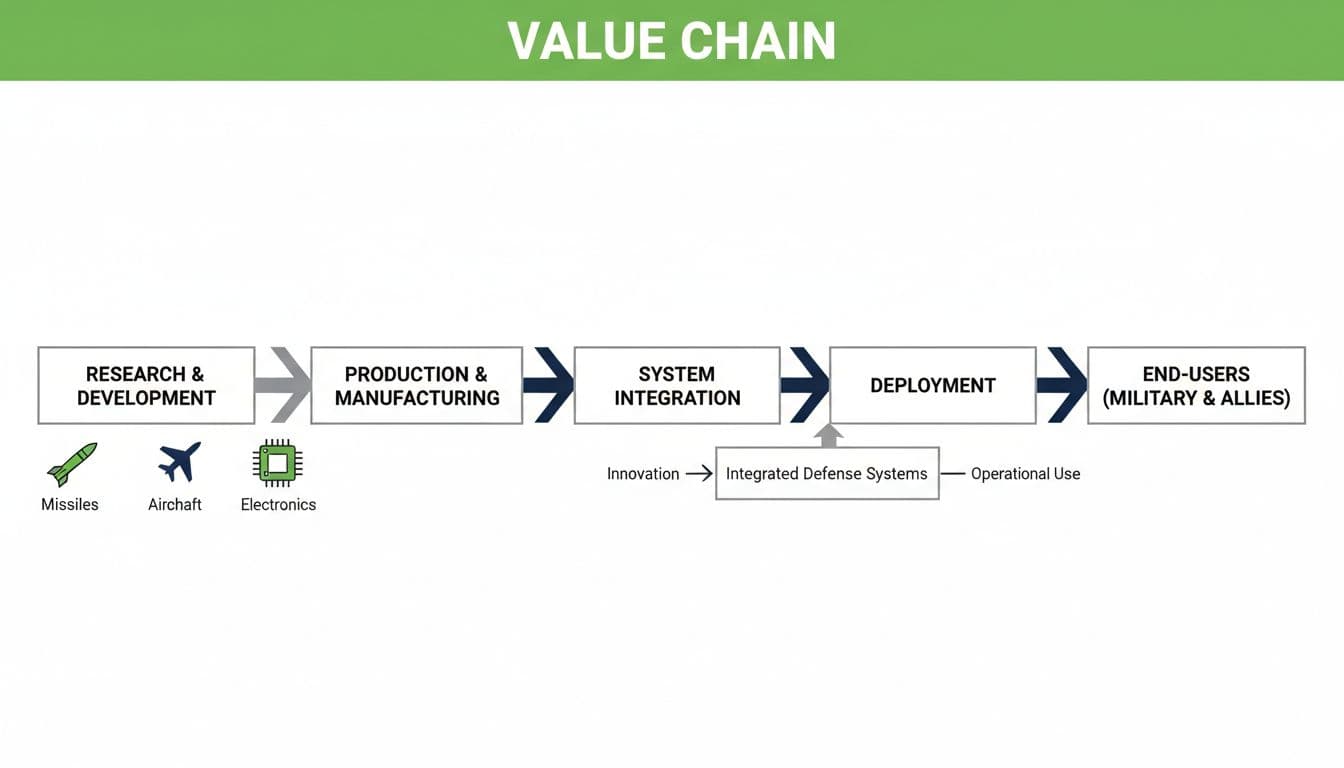
LIG Nex1 sits inside Korea's defense supply chain, closer to the "brains and precision" layer than raw steel. If shipbuilders are the hull, and engine makers are the heart, LIG Nex1 is often the nervous system: sensing, guiding, linking, and striking.
In plain terms, we usually think of LIG Nex1 in three buckets:
First, guided weapons and missiles. This is where long project timelines can turn into large revenue once production ramps.
Second, sensors and radar. Sensor capability can create repeat demand because systems need upgrades and maintenance.
Third, command, control, communications, and integration work. Integration matters because defense buyers want systems that talk to each other, not isolated gadgets.
This positioning can be powerful because defense projects often run for years. That can create order visibility, but it also means revenue timing can feel "lumpy" quarter to quarter.
When we want a fast view of valuation ranges and how analysts frame the stock, we sometimes cross-check summaries like Simply Wall St's LIG Nex1 page. We don't treat it as truth, but it helps us sanity-check market expectations.
The "K-Defense" Theme in 2026: Why the Stock Can Swing
LIG Nex1 often trades on a mix of fundamentals and theme energy. In Korea, we tend to see defense names move as a group when headlines hit, even if the news is not company-specific.
Several forces can push the theme:
Korea's role as a major defense exporter has become a repeat topic in global media. As export discussions grow, investors start pricing "potential," not only booked revenue.
Meanwhile, global security worries can change risk appetite overnight. When fear rises, defense can become a "safety trade." When fear fades, money rotates out quickly.
On top of that, Korea's market has a strong retail participation culture. Retail flows can amplify both rallies and pullbacks, especially when a stock is near round-number prices.
The biggest trap for beginners is confusing a strong theme with a smooth ride. Theme stocks can reward patience, but they also punish late entries.
For a feel of how local brokers and Korean financial media frame targets and sentiment, we sometimes reference coverage like this Maeil Business Newspaper (MK) piece on LIG Nex1 and target price views.
K-Technical Analysis: Levels We Watch (Not Predictions)
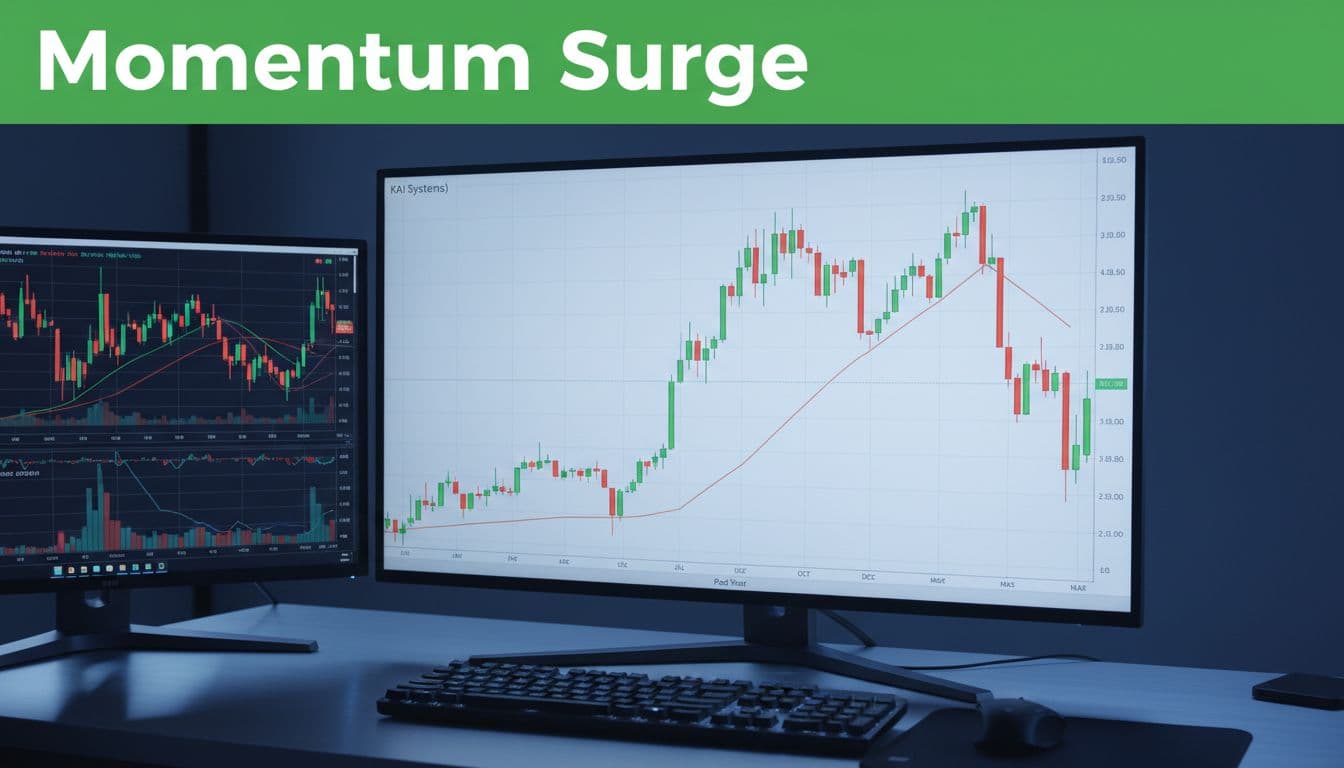
For newbies, technical analysis is less about magic lines and more about crowd behavior. We use it to plan entries, exits, and "where we're wrong."
Based on the recent pricing context (around ₩723,000), here are practical levels we'd watch. These are not guarantees, just areas where investors often react.
| Zone | Why it matters | What we watch |
|---|---|---|
| ₩750,000 | Round-number resistance | Fast profit-taking if momentum slows |
| ₩700,000 | Round-number support | Buyers often defend it on dips |
| ₩650,000 area | Prior major reference zone | If it breaks, sentiment can flip |
| ₩600,000 area | "Reset" level | Can become a panic or bargain zone |
How we interpret momentum in simple terms:
- If price holds above ₩700,000 after a pullback, buyers are still "in control," even if it chops sideways.
- If price rejects hard near ₩750,000, we often see quick selling because traders lock profits.
- If price loses ₩650,000 with heavy volume, the story can change from "dip" to "trend break."
Also, keep an eye on volatility. LIG Nex1 has shown periods where daily swings widen. That's normal for a popular theme stock, but it means we should size positions smaller than we would for a slow-moving dividend name.
Investor Psychology: Profit-Taking Zones and "Overhang" Triggers
Retail investors often sell in clusters. It's not because they share a group chat. It's because humans love clean numbers and obvious reference points.
Where profit-taking tends to show up
With LIG Nex1 priced in the high hundreds of thousands of KRW, the psychological zones are easy to guess:
- ₩700,000: Many investors who bought lower will sell "some" here just to feel safe.
- ₩750,000: Traders often place sell orders before the number, like ₩748,000 to get filled.
- After big earnings beats: Good news can still trigger selling because people "sell the news."
So, if we buy after a sharp run, we should expect supply to appear at those levels. That doesn't mean the trend ends, but it can slow the tape.
Governance and overhang: what can cap upside
"Overhang" is anything that adds selling pressure or blocks a clean rerating. For defense contractors, a few common overhang triggers matter:
Contract timing can be hard to model. A delay doesn't always mean a lost deal, but markets often punish uncertainty.
Policy and export approvals also matter. Defense exports can involve government-to-government decisions, which investors can't control.
Finally, valuation itself becomes an overhang. When the market already prices strong growth, the stock can drop even on "good but not great" results.
For beginners who want a Korean-language snapshot view for quick cross-checking, Simply Wall St's Korean page for LIG Nex1 can be useful, especially if we're comparing sentiment across languages.
Investor Alert: Risks to Consider (Plus a Simple Hedge Idea)
Defense stocks can look "stable" because the products are essential. The stock price is not stable. Before we buy, we should be honest about the main risk buckets.
Valuation risk: With a higher P/E range versus many industrial names, the stock can fall even if the business stays fine.
Headline risk: Geopolitical news can push prices up fast, then fade just as fast. Theme reversals hurt late buyers.
Revenue timing risk: Defense projects can shift between quarters. That can create earnings surprises both ways.
FX and export risk: Currency moves and export approvals can change profitability and market expectations.
Liquidity and crowding risk: When too many traders pile into the same story, exits get crowded during pullbacks.
If LIG Nex1 drops hard, we like the idea of a "rebound hedge" that isn't perfectly correlated. Instead of buying another defense name that may fall in sympathy, we might hedge with a different Korea upcycle theme that can bounce on separate drivers, like shipbuilding or semiconductors (depending on what the macro story is that month). The goal is not perfection, it's avoiding a single-theme portfolio.
One more beginner note: LIG Nex1 is an individual stock, not an ETF. If we want broader defense exposure with less single-name risk, we'd look for a Korea defense or industrial ETF route instead, but we should still expect theme volatility.
Conclusion
LIG Nex1 (079550.KS) is a strong example of how Korea's defense theme can turn into real market momentum. We stay NEUTRAL because the upside story is real, but so are valuation pressure and headline swings. If we do participate, we'll respect position size, plan profit-taking near round numbers, and keep a hedging plan ready. The key question to ask ourselves is simple: are we buying the business cycle, or are we chasing the last candle?
Related: NAVER Stock (035420.KS) and the End of AI "Issue Timeline": What It Means for News, Trust, and Investors (March 2026), Mirae Asset Securities (006800.KS) Stock Guide for Beginners (March 2026), Hana Financial (086790.KS) Stock Outlook for March 2026: Valuation, Dividend, and Key Price Levels.
Originally published on SeoulStockAlpha.