Want Korea semiconductor exposure without betting on one name? Mirae Asset TIGER Fn반도체TOP10 ETF is built for that. It's an ETF (a basket), not a single stock, so one trade gives you a slice of Korea's core chip ecosystem. On global quote screens, you'll often see it as 396500.KQ, where .KQ is the Yahoo Finance/TradingView suffix for KOSDAQ-listed products.
Verdict (Executive Summary): Rating = NEUTRAL. Semiconductors are a strong theme, but the ride can be rough. In March 2026, different screens showed prices roughly ₩31,380 to ₩36,095 (about $21.43 to $24.64 at $1 = ₩1,465), partly because sources don't always display the same "price."
What 396500 actually holds, and why "TOP 10" still means concentration risk
396500 tracks the FnGuide Semiconductor TOP10 Index, and it mainly uses physical replication, meaning it primarily buys the underlying stocks rather than using derivatives. That sounds simple, but "TOP 10" matters: this ETF is a small basket, so results can hinge on just a few names.
In practice, the top weights often sit with Korea's mega-cap chip leaders. When memory pricing turns, or AI server demand heats up, the ETF can surge. When the cycle cools, it can drop fast, even if the broader KOSPI looks calm.
Top holdings you should recognize before you buy
A beginner-friendly snapshot (weights shift over time):
- SK hynix (about 27% to 30%): Korea's memory bellwether, often the biggest driver.
- Samsung Electronics (about 23% to 26%): memory plus system semis, and a huge market mood-setter.
- Hanmi Semiconductor (about 12% to 13%): packaging and equipment exposure, often higher beta.
- Leeno Industrial, DB HiTek, EO Technics (examples): testing sockets, foundry-related exposure, and equipment niches.
Exact weights move, so check the fund page or your quote screen before trading.
Value chain positioning, memory vs equipment, and why the cycle matters
This ETF blends memory giants (Samsung, SK hynix) with equipment and process names (like Hanmi, Leeno, Wonik IPS). Demand tends to follow AI servers, smartphones, and corporate capex plans. Because Korea's market is chip-heavy, semiconductor momentum can move faster than the broader index.
Quick performance and fee check, what you're paying and what you're getting
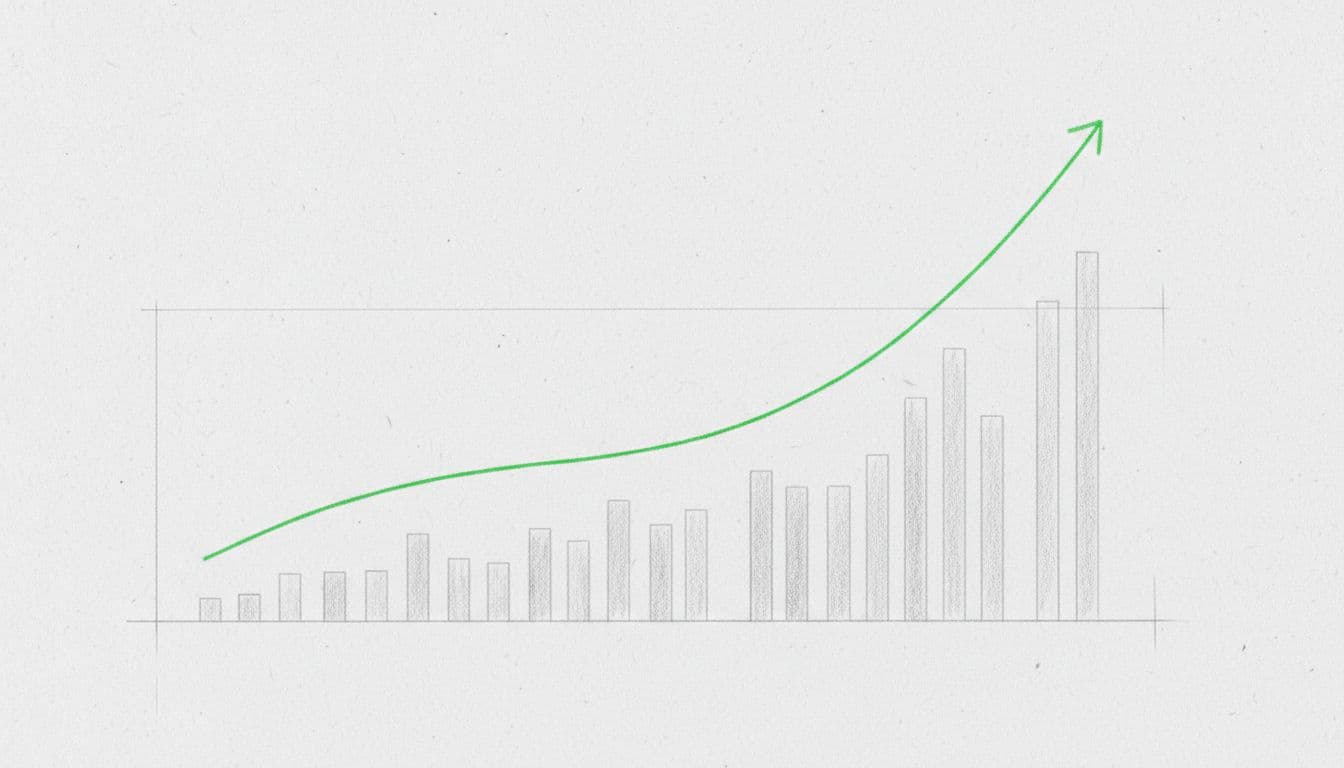
As of early March 2026, reported returns showed +7.13% (1-month) and +24.23% (3-month), while 1-year was -15.11%. A +10.52% 1-day print also appeared, a reminder that short windows get noisy.
The expense ratio is 0.45%. ETF note: returns are after fees, and distributions exist, but yields are usually small for growth-heavy chip themes.
AUM, liquidity, and why price sources may not match
One screen may show last trade, another may show NAV (for example, NAV around ₩35,262, about $24.06). That's why you might see ₩31k versus ₩36k in the same month. Also, AUM can be reported differently across data vendors, so watch volume and bid-ask spread when placing orders.
A simple Korea-style technical and psychology checklist before entering
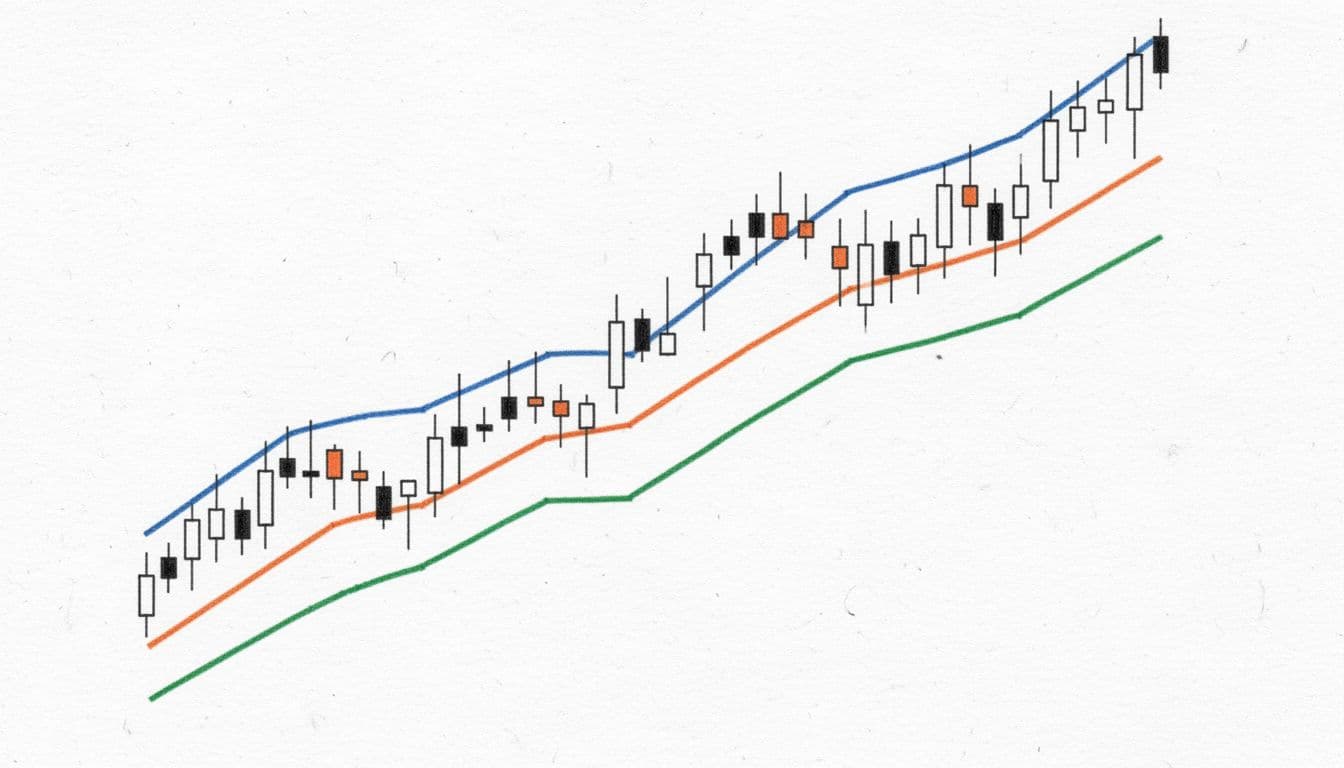
Many Korean traders treat the 120-day moving average as the "Half-year Life Line." Above it feels safe, below it raises caution.
Use a charting tool (TradingView or your broker) and fill this in on publish day:
Moving average table to copy into your notes (5, 20, 120 days)
| MA(5) | MA(20) | MA(120) |
|---|---|---|
| _____ | _____ | _____ |
Interpretation guide: above all three suggests strength, below MA(120) suggests caution. Convert key levels to USD using $1 = ₩1,465 if you track risk in dollars.
Common profit-taking zones for retail investors
After sharp rallies, retail traders often sell into prior highs and round numbers. A practical plan is to scale out a little after 10% to 20% gains from entry, and treat big gap-up days as places sellers may appear.
Investor Alert: risks to consider, plus one hedging idea if semis drop
- Concentration risk: a few mega caps can dominate returns.
- Semiconductor cycle risk: memory pricing and capex can flip quickly.
- Exports and geopolitics: restrictions and headlines can hit sentiment overnight.
- KRW moves: global investors feel FX swings on top of ETF moves.
- Rebalance and tracking error: index changes can cause short-term gaps.
- Governance and overhang: policy headlines, capex shifts, and foreign flows can whip prices.
If a major holding files a disclosure, the ETF can move fast, check official filings on https://dart.fss.or.kr/. For a hedge, pair with a more defensive Korea sleeve (high-dividend or utilities style) or hold extra cash, depending on your risk tolerance.
Conclusion
Rating stays NEUTRAL because the theme is powerful, but volatility and concentration are real. This ETF fits investors who want Korea semiconductor exposure without picking individual chip stocks. Before buying, check current holdings, the 0.45% fee, and whether price respects the MA(120) Half-year Life Line. ETFs can fall fast, so position size matters more than your forecast.
Related: Shinhan SOL Semiconductor Materials & Equipment ETF (455850): What New Investors Should Know, AI CHP, AI Semiconductor : Korean Stock Newbies' Guide to the Chips Behind the Boom (March 2026), HANMI Semiconductor (KRX: 042700) Explained: Back-End Chip Equipment and the Packaging Boom.
Originally published on SeoulStockAlpha.