Rating: NEUTRAL. We think AI demand is real and durable, but the trade can still get overheated. In other words, AI isn't "just vibes," yet entry price and cycle timing still matter.
For Korean stock newbies, the confusing part is simple: headlines talk about an "AI bubble," while orders for AI chips and AI memory keep rising. So which is it? The better way to view it is like building a new highway system. The hype comes and goes, but the concrete still has to be poured, the toll booths still get built, and traffic still grows once the road opens.
We'll focus on the AI hardware chain that connects NVIDIA to Korea's two giants, SK hynix (000660.KS) and Samsung Electronics (005930.KS). (The ".KS" ticker suffix is used on global chart sites like Yahoo Finance and TradingView for KOSPI names.)

https://www.youtube.com/watch?v=-jAoPSlYqZY
What a true bubble looks like, and why AI demand doesn't match that pattern
Bubbles usually share a few fingerprints. First, buyers don't care about costs, they only care about prices going up. Second, supply floods the market fast, because it's easy to add capacity. Third, the "product" often has weak repeat usage, so demand fades when hype cools.
AI hardware demand fails that test in key ways.
Compute is still scarce in the places that matter. Training large models needs massive clusters, and inference (running AI in products) keeps expanding. That usage isn't a one-time event. Once a company puts AI features into search, ads, customer support, coding, or design tools, it pays an ongoing "electric bill" of compute. As a result, the spending behaves more like operating budget than a one-off experiment.
Supply also doesn't scale overnight. A GPU is complex, but the real bottleneck often sits next to it: high-bandwidth memory (HBM), advanced packaging, and reliable yields. These constraints create a long runway of tight supply, even if demand growth cools from "crazy" to merely "strong."
That's why we separate two ideas:
- AI demand (real, multi-year, infrastructure-like).
- AI stock prices (sometimes too hot, sometimes washed out).
When people say "bubble," they often mean "the chart went up fast." But fast charts don't automatically mean fake demand.
So our stance is NEUTRAL: we respect the demand, but we don't ignore valuation risk or cycle risk.
Value chain positioning: NVIDIA's GPUs pull Korean HBM into the center
If we picture an AI server like a high-performance car, the GPU is the engine. HBM is the fuel system that keeps it from stalling at high speed. Without enough memory bandwidth, expensive GPUs can't reach their potential.
That's where Korea matters.
- SK hynix (000660.KS) is a key supplier in advanced DRAM, including HBM. In AI, being "qualified" and trusted by customers can matter as much as raw capacity.
- Samsung Electronics (005930.KS) spans memory (DRAM and NAND) and also has logic and foundry exposure through its broader semiconductor footprint. Even when one part lags, another part can stabilize the story.
NVIDIA sits at the demand end of the chain. It doesn't "buy hype," it buys components that let it ship real systems to customers building AI clusters. When those customers order more GPUs, the pull-through reaches memory, substrates, and packaging.
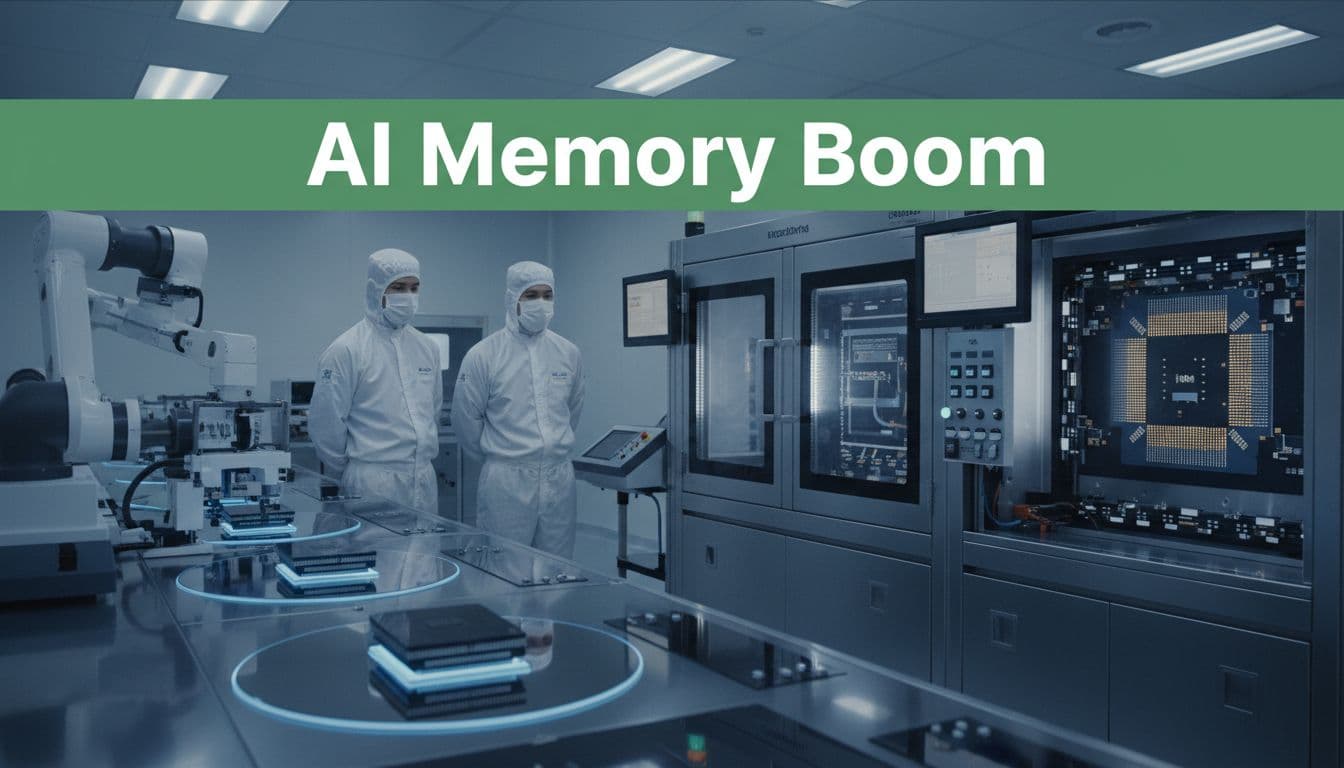
HBM is also "sticky" once designed in. Switching memory suppliers isn't like switching a brand of office chairs. It can involve validation, power and thermal tuning, firmware work, and yield learning. That friction makes demand less fragile than many people expect.
One more beginner note: these tickers are operating companies, not ETFs. If we buy them, we're buying business execution, capex decisions, and competition risk, not a packaged index product.
Why AI demand stays strong even if the economy slows
A bubble pops when buyers vanish. AI spending looks different because it's tied to competition and national strategy, not only consumer mood.
Three buyer groups keep the floor under demand:
Hyperscalers and cloud platforms. They sell AI capacity like a utility. If they underbuild, they lose customers. If they overbuild, they can still rent capacity or redirect it to internal use. That's not risk-free, but it's not "zero demand" either.
Enterprises adopting AI workflows. Many firms now budget for AI the way they budget for cybersecurity or cloud migration. Once workflows depend on AI, turning it off breaks productivity and customer experience.
Sovereign AI and regulated industries. Governments and sensitive sectors want local compute for security and compliance. That trend supports diversified demand, even when one customer pauses.
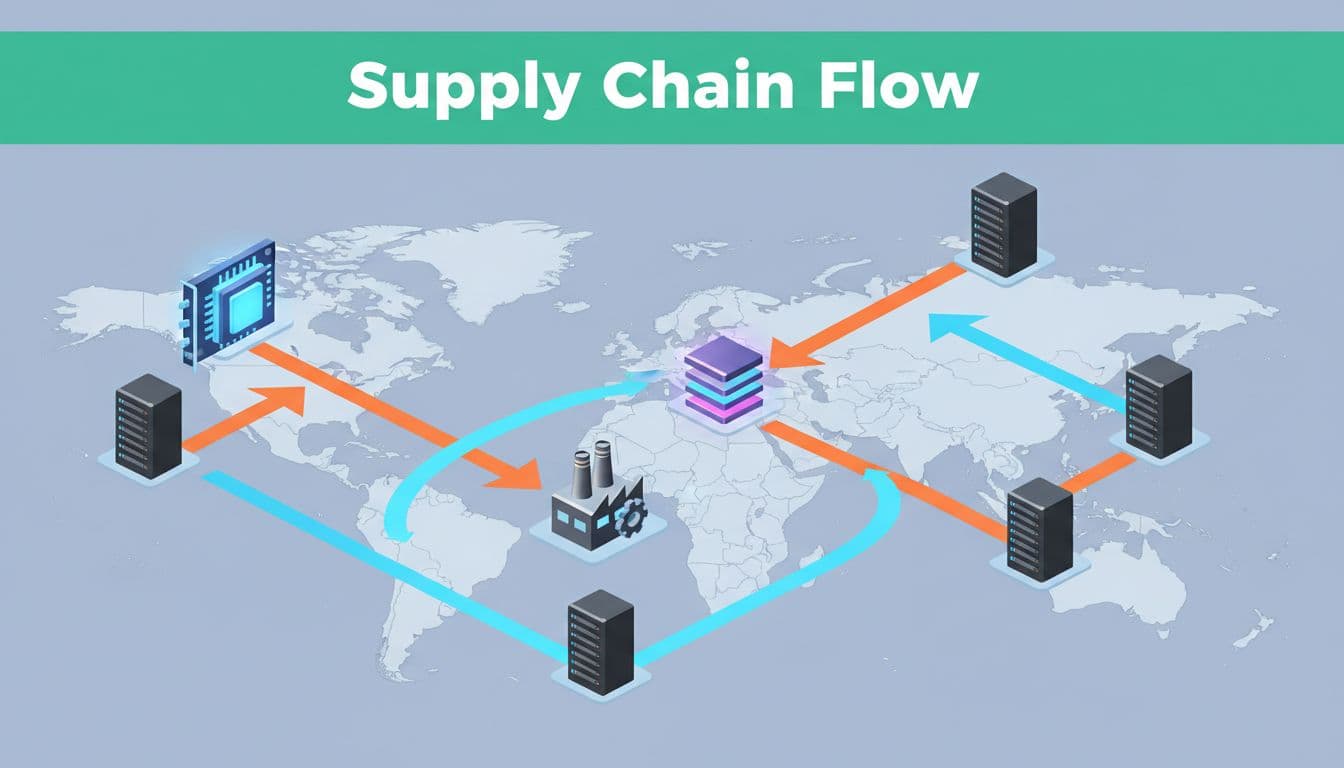
Also, AI shifts from training to inference over time. Training spending can be lumpy, while inference often grows with user counts and product usage. That gives the cycle a second engine.
Still, we shouldn't pretend every quarter will be smooth. Customers can digest capacity, delay deployments, or negotiate pricing. The reason we don't call it a bubble is that the end-demand driver (real usage of AI) keeps widening.
K-theme and volatility: how Korean AI stocks move in the real world
In Korea, themes move prices faster than fundamentals. That's not "bad," it's just how the market trades. When foreigners buy semiconductors, KRW sentiment improves, and the whole AI basket can lift together. When the market turns risk-off, even good stories get sold.
So we manage expectations. SK hynix (000660.KS) often trades like a direct AI memory proxy. Samsung Electronics (005930.KS) can trade more like a "KOSPI anchor" because it's huge and widely held, even though semis are a major driver.
Two practical volatility points for newbies:
First, memory is cyclical. Even if AI grows, pricing for DRAM and NAND can swing. A good AI quarter doesn't always mean every memory line item improves at once.
Second, news flow hits fast. A single headline about export controls, a competitor's yield progress, or a hyperscaler capex rumor can move these names in one day.
On investor psychology, we usually see retail profit-taking cluster around:
- Round-number price levels (clean KRW numbers that feel "expensive").
- Prior peaks (people remember the last top and sell "to be safe").
- Quick gains of 15% to 25% (many short-term traders lock profits there).
If we're buying into an AI theme run, position size matters more than being "right."
That's also why we like planning our hedge before we need it, not after panic starts.
Governance and overhang: the non-AI reasons these stocks can lag
Even when AI demand is real, stocks can underperform for reasons that feel unrelated.
With Samsung Electronics (005930.KS), investors often watch governance structure and capital allocation. Large conglomerates can face a "conglomerate discount" when shareholders think profits won't translate into per-share value fast enough. Buybacks, dividends, and capex discipline all influence that perception.
With SK hynix (000660.KS), the key overhang is usually execution and cycle timing. If the market fears a memory downcycle or a near-term margin squeeze, it can discount the stock before earnings show it.
Competition is another overhang, especially in HBM. Customers want supply diversity. As rivals improve yields, pricing power can fade. That doesn't kill demand, but it can compress profit per unit.
Finally, geopolitics can land on the sector without warning. Export rules and supply chain restrictions can shift where chips go and how fast capacity gets approved.
None of this screams "bubble." It screams "equity risk." Demand can be strong while stocks chop sideways, because markets reprice uncertainty.
Investor Alert: risks to consider (and a simple hedge idea)
AI demand isn't a bubble, but we still need to respect real risks:
Capex digestion risk: If customers built too much too soon, they can pause orders for a few quarters.
HBM qualification risk: A supplier can lose share if yields or reliability slip, even if industry demand rises.
Pricing risk: Strong bits shipped don't guarantee strong margins, especially if supply catches up.
Macro and FX risk: Korean stocks can react to USDKRW moves and global rates, even with solid earnings.
Narrative risk: Markets can go from "AI everywhere" to "AI disappointment" quickly, even when usage grows.
If this theme sells off hard, we like a simple hedge framework: pair AI hardware exposure with a defensive Korea sector (telecom, utilities, consumer staples) or a bond-focused ETF that tends to hold up when growth stocks drop. If we choose an ETF for hedging, we remind ourselves it's an ETF, not an individual company, so the behavior comes from its basket and rules.
We're not trying to predict a crash. We're trying to avoid forced selling.
K-technical analysis: using 5, 20, 120-day MAs (Korea's "Half-year Life Line")
Korean investors often watch moving averages like traffic signals. They aren't magic, but they help us avoid emotional trades.
In Korea, the 120-day moving average is widely called the "Half-year Life Line." When price holds above it, sentiment often stays constructive. When price loses it for weeks, people assume the trend broke.
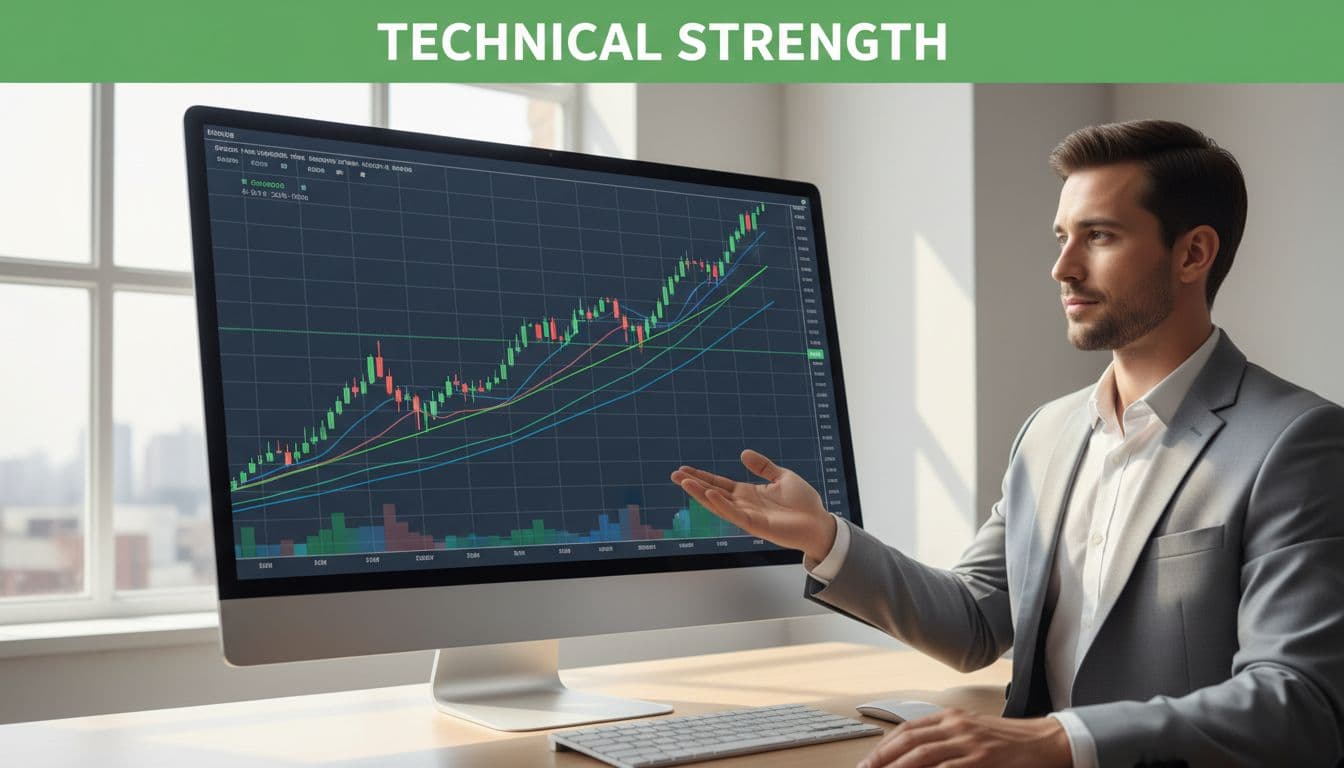
Here's the moving-average table we keep on our screen for SK hynix (000660.KS) and Samsung Electronics (005930.KS):
| Moving Average | What it tracks | Bullish look | Caution look |
|---|---|---|---|
| 5-day MA | Very short-term momentum | Price above 5-day and 5-day rising | Repeated closes below 5-day |
| 20-day MA | 1-month trend and swing support | Pullbacks hold near 20-day | 20-day turns down, rallies fail |
| 120-day MA ("Half-year Life Line") | Core trend in Korea | Price stays above, bounces on tests | Breaks and can't reclaim for weeks |
We also keep a simple profit-taking plan because retail flows can whip these names around. If price runs far above the 20-day MA, we expect more selling into strength. On the other hand, if price retests the 120-day MA and holds, we look for calmer entries.
Dual-currency price view (KRW and USD)
Korean stocks trade in KRW. Overseas readers often think in USD, so we convert using the live USDKRW rate.
Because prices change every minute, we don't print "live" quotes here. Instead, we use an example so you can copy the method into your own watchlist:
| Stock | Global ticker format | Example price (KRW) | Example USD view (KRW ÷ USDKRW) |
|---|---|---|---|
| SK hynix | SK hynix (000660.KS) | 180,000 | If USDKRW = 1,350, then about $133 |
| Samsung Electronics | Samsung Electronics (005930.KS) | 75,000 | If USDKRW = 1,350, then about $56 |
The takeaway: always judge risk in the currency that affects you most. If we invest from abroad, FX can add or subtract returns, even when the KRW chart looks fine.
Conclusion
AI demand doesn't look like a bubble because it's tied to real compute usage, hard-to-expand supply, and long qualification cycles. NVIDIA's platform keeps pulling HBM forward, and that puts SK hynix (000660.KS) and Samsung Electronics (005930.KS) in a structurally important spot. Still, we stay NEUTRAL because theme volatility, memory cycles, and governance questions can shake prices even when demand stays healthy. If we respect the 120-day "Half-year Life Line" and plan our risk exits, we can participate without letting the story trade us.